Tensile Strength Specifications in Industrial Fabrics
A breakdown of how tensile strength is measured, reported, and compared across woven and nonwoven technical materials, with reference values for aramid, carbon, and polypropylene grades.
Specifications, standards, and certification data for woven and nonwoven performance materials across manufacturing sectors in Poland.
In-depth material data on tensile properties, flame classification, and international certification frameworks for industrial textiles.
A breakdown of how tensile strength is measured, reported, and compared across woven and nonwoven technical materials, with reference values for aramid, carbon, and polypropylene grades.
An overview of EN ISO 11612, EN 13501, and related standards that define flame resistance classes for protective fabrics used in welding, foundry, and firefighting environments.
A structured comparison of woven and nonwoven fabric constructions — covering filtration efficiency, mechanical behavior under load, and suitability for specific industrial end uses.
Industrial textiles fall into distinct functional groups, each governed by different performance criteria and certification requirements.
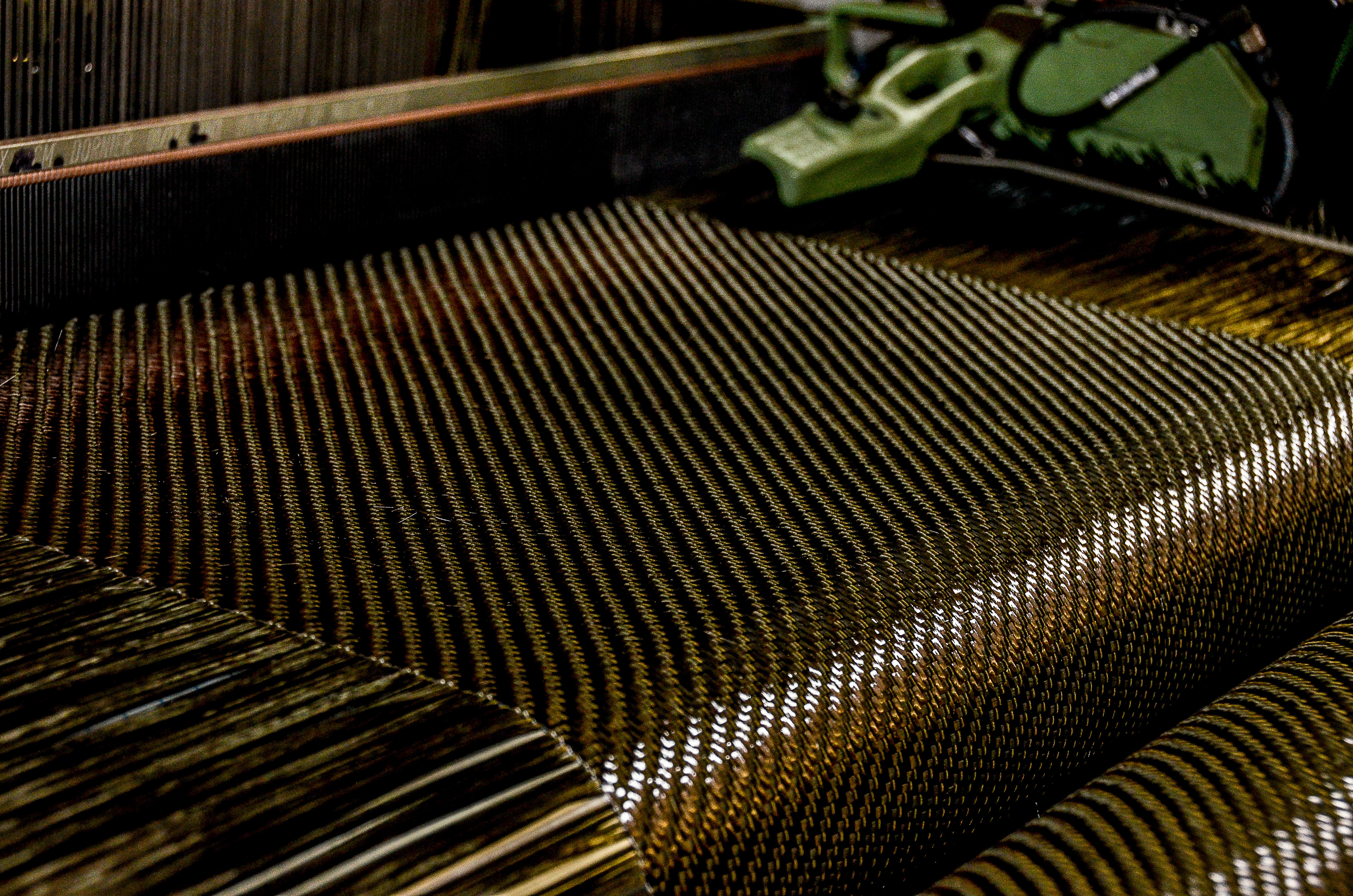
Produced by interlacing warp and weft threads at defined angles. Plain weave, twill, and satin constructions each offer different balances of tensile strength, tear resistance, and surface texture. Typical base materials include polyester, glass fibre, and aramid yarns.
Formed by bonding or entangling fibres without weaving. Spunbond, meltblown, and needlepunched constructions are classified by EN 29092. Nonwovens are widely used in filtration, geotextiles, and hygiene applications where cost-per-unit-area is a key variable.
Materials rated under EN ISO 11612 (flame), EN 388 (mechanical), or EN 374 (chemical). These fabrics are subject to third-party certification and carry documented performance levels measured in specific EN test conditions.
Used in civil engineering, drainage, and soil stabilisation. Classified under EN 13249–13257 by application. Key parameters include CBR puncture resistance (EN ISO 12236), water permeability (EN ISO 11058), and tensile stiffness.
The following EN and ISO standards are referenced throughout Polish manufacturing procurement and quality documentation.
| Standard | Scope | Applicable Fabric Types |
|---|---|---|
| EN ISO 13934-1 | Tensile properties — strip method | Woven fabrics |
| EN ISO 13934-2 | Tensile properties — grab method | Woven and nonwoven |
| EN ISO 11612 | Protective clothing — heat and flame | Protective textiles |
| EN 13501-1 | Fire classification of construction products | Technical membranes |
| EN 29092 | Definition of nonwovens | Nonwoven materials |
| EN ISO 12236 | Static puncture test (CBR) | Geotextiles |
| EN ISO 9073-3 | Tensile strength and elongation — nonwovens | Nonwoven fabrics |
| OEKO-TEX Standard 100 | Harmful substance testing | All fabric categories |
For specification requests, sourcing questions, or general enquiries about industrial textile materials in Poland.