Not all fire-resistant fabrics carry the same rating, and a fabric labelled as "flame-resistant" in a general sense may not meet the specific performance requirements of the application it is intended for. EN ISO 11612 and the related EN 13501 classification system exist to solve this problem — each assigns documented, test-derived codes to materials so that procurement and safety specifications can reference verifiable performance levels rather than marketing descriptions.
EN ISO 11612 — Protective Clothing Against Heat and Flame
EN ISO 11612 is the primary European standard for protective clothing intended to guard against heat and flame in industrial environments. It applies to garments used in welding, metal casting, foundry operations, and similar processes where workers face intermittent or sustained exposure to convective heat, radiant heat, molten metal splash, or flame contact.
A garment certified under EN ISO 11612 carries a code string in the format: A1 A2 B C D E F, where each letter-number pair represents performance in a specific test. Not all codes are required; a garment is only marked with the codes corresponding to tests it passed at a given performance level.
Performance Codes Explained
| Code | Test | What It Measures |
|---|---|---|
| A1 | EN ISO 15025 (surface ignition) | Whether the fabric ignites and sustains flame when a surface flame is applied for 10 seconds |
| A2 | EN ISO 15025 (edge ignition) | Same test applied to the cut edge of the fabric |
| B1–B3 | EN ISO 9151 (convective heat) | Time for inner surface temperature to rise 24°C in a convective flame exposure |
| C1–C4 | EN ISO 6942 (radiant heat) | Time to reach a 24°C temperature rise under defined radiant heat flux levels |
| D1–D3 | EN 348 (small molten aluminium splash) | Volume of aluminium causing a skin-burn equivalent response |
| E1–E3 | EN ISO 9185 (molten iron splash) | Mass of iron causing a 40% burn response on a sensor |
| F1–F3 | EN ISO 12127-1 (contact heat) | Threshold temperature above which contact heat transfer causes a burn in less than 10 seconds |
Higher performance levels within each code indicate better protection. B3 is better than B1, C4 is better than C1, and so on. A garment for foundry work would typically require at least D1 or E1, while a welding garment would emphasise A1 or A2 and at least B2.
EN 13501-1 — Fire Classification of Construction Products
EN 13501-1 applies to materials used in construction rather than personal protective equipment. It is the standard framework for classifying how building materials, including technical textile membranes and architectural fabrics, respond to fire.
The classification runs from A1 (non-combustible) to F (no performance determined), with the additional designations s (smoke production) and d (burning droplets/particles).
| Class | Description | Relevant for Textiles |
|---|---|---|
| A1 | No contribution to fire | Glass fibre membranes, mineral wool composites |
| A2 | No significant contribution | Some coated glass fibre textiles |
| B | Very limited contribution | FR-treated polyester architectural fabrics |
| C | Limited contribution | Some coated technical membranes |
| D | Acceptable contribution | Untreated PTFE-coated fabrics in some configurations |
| E | Acceptable reaction to small flame | General technical fabrics without FR treatment |
Inherently Flame-Resistant vs Treated Fabrics
There is a practical difference — relevant to procurement — between fabrics that are inherently flame-resistant by chemical structure and those that achieve flame resistance through applied treatments.
Inherently Flame-Resistant Fibres
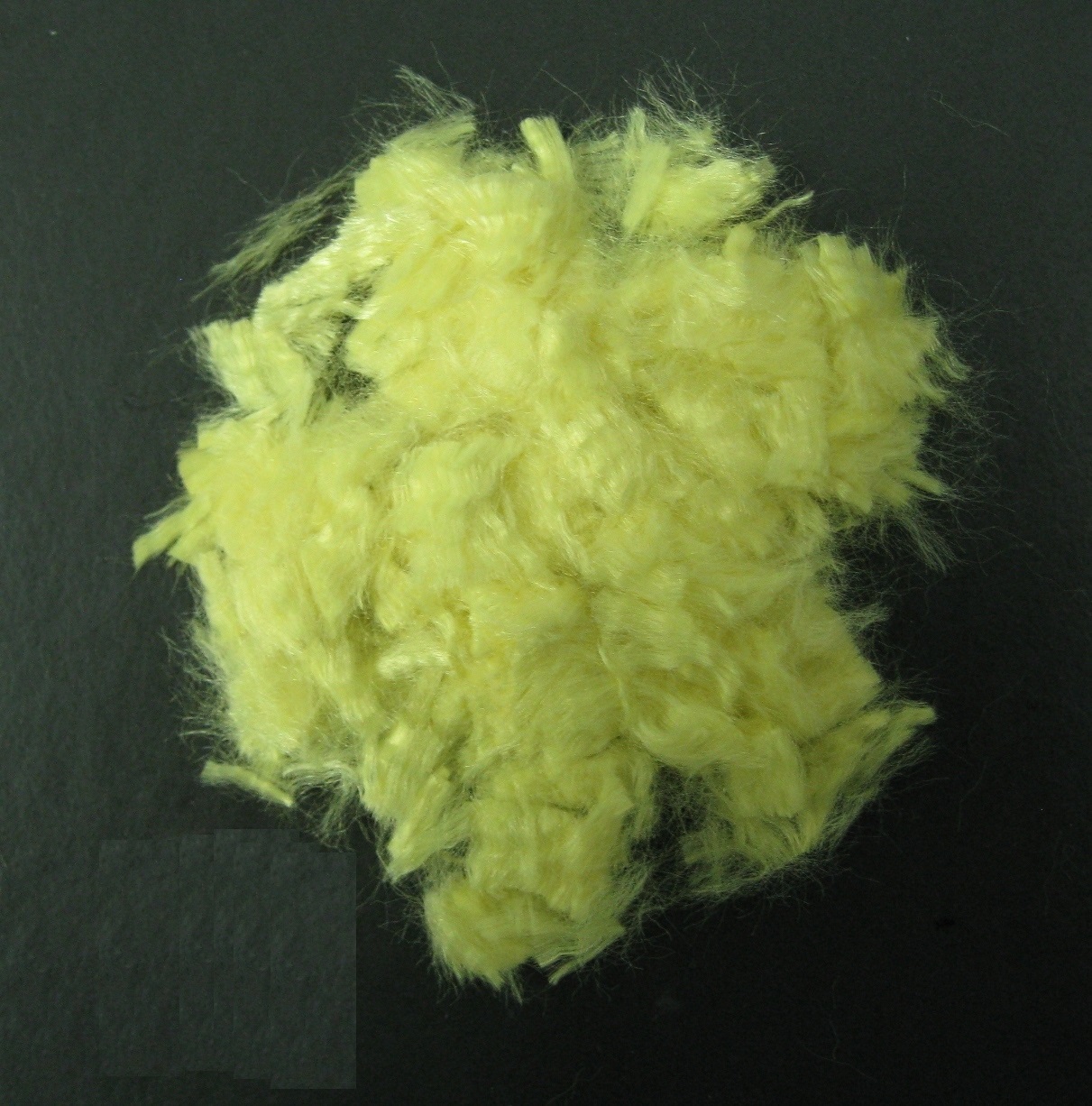
Para-aramid (Kevlar, Twaron), meta-aramid (Nomex), modacrylic, PBI (polybenzimidazole), and glass fibre do not combust at temperatures encountered in most industrial exposures. Their Limiting Oxygen Index (LOI) — the minimum oxygen concentration that sustains combustion — is typically above 28%, compared to 18% for air. These materials retain flame resistance throughout the life of the garment, regardless of washing or wear.
FR-Treated Fabrics
Cotton, polyester/cotton blends, and polypropylene can be treated with durable flame retardant finishes (based on phosphorus chemistry for cellulosics, or halogen-free systems for synthetics). The treatment is typically rated for 50 industrial wash cycles at 60°C, after which a repeat test is required to verify continued compliance with EN ISO 11612. Some finishes leach progressively through repeated washing, reducing protection over time.
The EN ISO 11612 standard requires garment testing after washing to account for this degradation. Procurement specifications should confirm whether the certification covers performance before washing only, or after the specified number of washing cycles.
Limiting Oxygen Index as a Screening Parameter
LOI (measured by ISO 4589-2) is frequently listed in material data sheets as a quick screening parameter. Values above 26 indicate self-extinguishing behaviour in air; values above 32–35 indicate materials that will not sustain combustion under most industrial fire exposure conditions.
LOI alone does not determine EN ISO 11612 classification — it does not capture melting, dripping, or shrinkage behaviour, which are separately assessed in the standard's test series. A fabric with a high LOI may still fail A1 or A2 if it shrinks severely on flame contact, exposing skin through fabric distortion.
Certifications and Testing Laboratories in Poland
EN ISO 11612 testing and certification in Poland is conducted by notified bodies including the Central Institute for Labour Protection (CIOP-PIB, Warsaw) and textile testing facilities accredited under EN ISO/IEC 17025. The certification process involves both type testing of fabric samples and, for complete garments, assessment of construction and seam performance.
Polish manufacturers supplying to the EU market are required to carry CE marking for PPE garments under Regulation EU 2016/425, with the relevant EN ISO standard cited in the Declaration of Conformity. Category III PPE (the classification covering heat and flame protection) requires involvement of a notified body in the conformity assessment process.